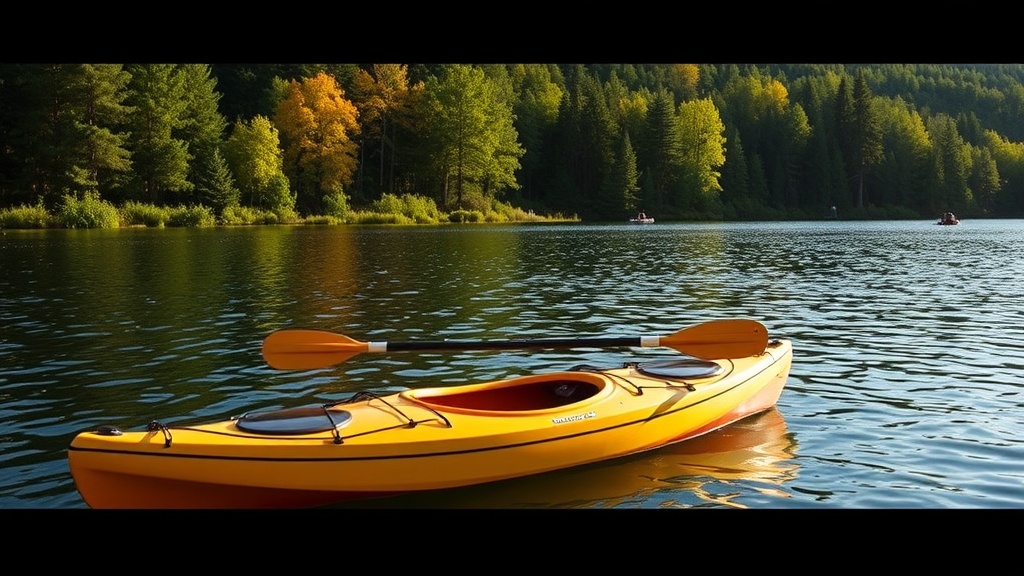
Where to Launch Your Kayak for a Perfect Dryden Afternoon

Picture this: it is a Saturday in late July. The humidity has broken, the sky over Dryden is that particular shade of blue that only happens after a thunderstorm, and you have got three hours before your evening plans. You could run errands on King Street, sure. Or you could grab that kayak sitting in your garage and actually use it. Dryden is surrounded by water — the Wabigoon River cuts right through town, and we have got more lakes within a fifteen-minute drive than most communities our size could dream of. The problem is not a lack of places to paddle. It is knowing which launch spots are worth your time, which ones have decent parking, and which ones will not leave you fighting a current that feels like it is personally offended by your presence.
Where Can I Launch My Kayak Near Downtown Dryden?
For those of us who want to get on the water without burning half a tank of gas, the Dryden Boat Launch at Sandy Beach is the obvious choice — and for good reason. Located just off Sandy Beach Road, this municipal launch gives you immediate access to the Wabigoon River's wider sections. The parking lot is paved, there is a proper ramp if you are hauling a heavier boat, and the current here is gentle enough that you can paddle upstream without feeling like you are training for the Olympics.
What makes this spot special for kayakers is the sandbar that extends out from the northern shore. At low water levels, you can beach your kayak and wade around — something families with kids appreciate on those sweltering August afternoons. The beach itself is maintained by the city, and while it gets busy on weekends, the kayakers tend to congregate at the eastern end where the ramp is, leaving the swimmers to their volleyball games and sunbathing.
If you paddle south from Sandy Beach, you will hit the Thunderbird Bridge in about twenty minutes of easy paddling. The current picks up slightly under the bridge, so this is where you turn around if you are not looking for a workout. The return trip is all downstream — just enough to let you drift and watch the shoreline, maybe spot a heron fishing in the shallows near the old pilings.
What About Paddling on Local Lakes Without Fighting Motorboats?
Motorboat traffic is the kayaker's eternal nemesis. You find a perfect quiet spot, start to relax, and then someone's jet ski screams past at Mach 3. For those of us who paddle for the silence, Mays Lake is the answer. Located about ten minutes east of Dryden on Highway 17, Mays is a small, sheltered lake that motorboats tend to ignore. There is no public boat launch for trailers — just a rough gravel pull-off and a short carry down to the water. That single feature keeps the speedboats away.
The eastern shore of Mays Lake is undeveloped crown land, which means you can paddle right up to the shoreline and explore the shallows without worrying about private property signs. The water is clear enough to see the rocky bottom in most spots, and the lily pads near the southern end attract more wildlife than you would expect this close to the highway. Painted turtles sun themselves on logs. Beaver slap their tails when you get too close to their lodges. If you are quiet and patient, you might spot a moose coming down to feed in the early morning.
The carry from the parking area to the water is about fifty meters — not nothing, but manageable with a lighter kayak. Bring bug spray in June and July; the still water and surrounding forest mean mosquitoes find this place delightful. By August, the bugs have usually died down enough that you can enjoy a sandwich on the shore without donating blood.
Is There a Good Spot for Beginners or Family Paddling?
Not everyone wants to test their skills against currents or wind chop. If you are introducing kids to kayaking, or if you are new to the sport yourself, Back Bay (the sheltered section of Wabigoon Lake near the Dryden marina) is your safest bet. The bay is shallow, there is almost no current, and the wind has trouble building any real waves back there.
Access is from the Dryden Harbour parking area on Crowe Avenue. You can wheel your kayak right down to the floating docks — no carrying required. From the docks, you can paddle north into the bay itself, a quiet water area that feels completely removed from the main lake despite being a two-minute paddle from your car. The water is calm enough that you can practice techniques like edging or rescue strokes without consequences. Drop your paddle? You can probably stand up and retrieve it.
The western shore of Back Bay has a series of small inlets that kids love to explore. They are narrow enough that you have to steer deliberately, wide enough that you won't get stuck. On hot days, the water here warms up faster than the main river or lake, making it one of the more pleasant spots for a mid-paddle swim. Local families have been bringing kids here for generations — it is where many of us learned to handle a boat before we were old enough to drive.
Where Do Experienced Paddlers Go for a Real Workout?
Sometimes you want to feel your shoulders burn. For a proper paddle that will test your endurance, put in at Ear Falls Road where it crosses the Wabigoon River, about twenty minutes west of Dryden. This stretch of river has a consistent current running southeast toward Dryden, and if you paddle upstream against it, you will know you have exercised.
The scenery here is different from the town sections — more remote, more forested, fewer cottages. The river narrows and picks up speed around the bends. There are sweepers (fallen trees that extend into the water) that require active navigation, and the shoreline is rocky enough that you will not find many beaches for rest stops. This is not a float-and-relax trip. It is a proper workout on moving water.
The put-in is informal — just a pull-off on the south side of the bridge. You have to carry your kayak down a short embankment. The take-out, if you choose to go with the current instead of against it, would be back in Dryden itself — a one-way trip of roughly fifteen kilometers that takes most people four to five hours. Most paddlers do an out-and-back from the bridge, fighting upstream for an hour or two, then enjoying the fast return trip.
What Should I Bring for a Safe Paddle in Dryden Waters?
Our water around Dryden is cold, even in summer. The Wabigoon River flows from Wabigoon Lake, which does not warm up much past eighteen degrees Celsius in July. If you capsize, hypothermia is a real risk within thirty minutes. A wetsuit or drysuit is overkill for casual summer paddling, but a proper life jacket (PFD) is not optional — it is the law, and more importantly, it is common sense.
Cell service is spotty on some of our more remote lakes. Before you head to Mays Lake or the upper stretches of the river, tell someone where you are going and when you expect to be back. The Dryden OPP non-emergency line is (807) 223-2341 — save it in your phone. If you are paddling alone (something experienced paddlers try to avoid), a whistle attached to your PFD is a cheap safety tool that could save your life.
Water quality in the Wabigoon River system has improved dramatically over the past decades, but we still recommend bringing your own drinking water rather than filtering from the river. The City of Dryden's water quality reports show that our municipal supply is excellent — fill up before you leave home.
When Is the Best Time to Paddle Around Dryden?
Early morning is unbeatable. The wind is usually calmest before 9 AM, the motorboat traffic is nonexistent, and the wildlife is active. If you can get on the water at sunrise — which in Dryden in June means 5:30 AM — you will have the river to yourself. The payoff is worth the early alarm.
Evening paddles have their own charm, especially in late August when the days start shortening and the light turns golden. The water is warmest in late afternoon, which matters if you plan to swim. Just be off the water before dark — navigating the river by headlamp is possible but not pleasant, and our shoreline forests are thick enough that you can lose track of where you parked in low light.
Spring paddling (May and early June) is for the dedicated only. The water is dangerously cold, the current is at its strongest due to snowmelt, and the blackflies are relentless. By mid-June, conditions improve dramatically. September can be gorgeous if we get a warm stretch — the fall colors reflect off the water, and the summer crowds have gone home. October is pushing it; one cold front can drop the water temperature ten degrees in a day.
We are lucky to have this kind of access to water right in our backyard. Whether you are looking for a quiet float with the kids, a challenging workout, or just an hour of peace away from the noise of King Street, Dryden's launch spots deliver. The kayak does not do much good sitting in your garage. Get it wet this weekend.
Have a favorite paddling spot we missed? Drop a comment below — we are always looking for new places to explore.