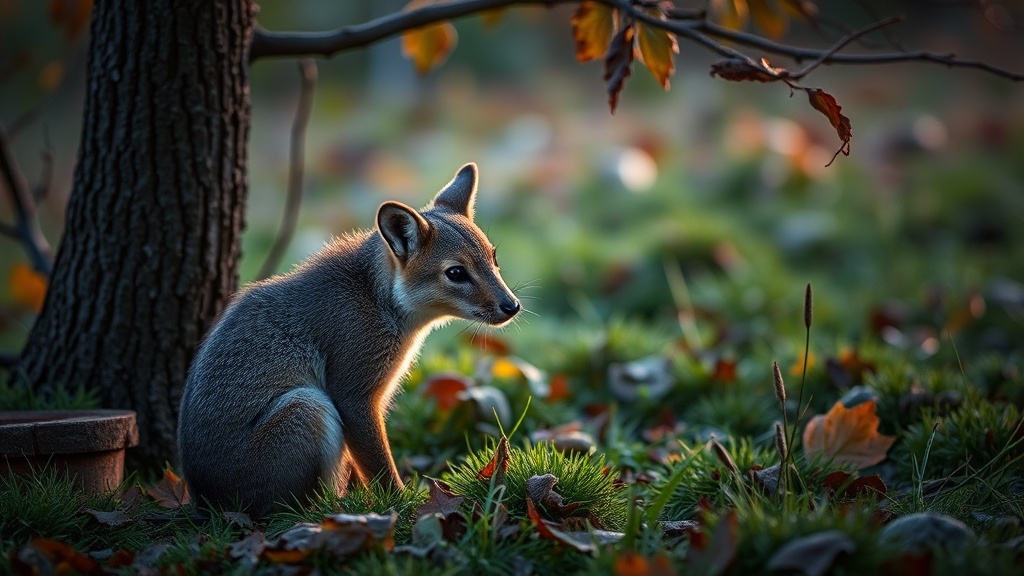
Preparing Your Backyard for Local Wildlife Sightings

Most people think that "preparing" for wildlife means building a fence or setting up a deterrent, but that's a mistake. If you want to see the wildlife that naturally inhabits the Dryden area, you aren't trying to keep them out; you're trying to make your property a place where they feel safe enough to linger. This guide covers how to adjust your backyard habits, plant choices, and feeding routines to encourage sightings of birds, mammals, and even the occasional deer without turning your yard into a mess.
How Can I Attract More Birds to My Backyard?
The easiest way to attract more birds is to provide a reliable source of high-quality food and clean water. In Northern Ontario, birds are constantly looking for calorie-dense options to survive our long winters. If you want a yard full of chickadees and nuthatches, you need to think about what they actually eat during different seasons.
High-fat seeds are the gold standard here. Black oil sunflower seeds are a favorite because the thin shells make them easy to crack, and they provide high energy. If you're using a feeder, consider a brand like Wild Birds Unlimited or even the heavy-duty-style feeders you find at local hardware stores that can withstand a heavy snowfall.
Water is the other big factor. A birdbath that isn't frozen is a magnet for life. During the warmer months, a simple stone basin works. In the winter, though, it's a different story. If you want birds to visit in January, you might need a small heated birdbath or a constant-flow water feature. It's a bit of a chore, but the sight of a bird splashing in the snow is worth it.
- The Seed Strategy: Use black oil sunflower seeds for high energy.
- The Water Factor: Keep water sources clean and, if possible, moving.
- The Shelter Aspect: Leave some native shrubs for nesting.
Don't forget that birds need more than just food; they need places to hide from predators like hawks. If your yard is a wide-open space with no cover, they won't linger. Planting some dense-growing native bushes provides that sense of security they crave.
What Plants Grow Well in Northern Ontario to Help Wildlife?
You should choose native plants that provide a natural food source, such as berries and seeds, rather than ornamental plants that offer no nutritional value. Native plants are better suited to our specific soil and climate, meaning they'll require less work from you and more help from nature.
When you're at the garden center, look for things that actually belong here. Serviceberry (also known as Juneberry) is a fantastic option. It produces edible berries that birds love and has a lovely white bloom in the spring. It’s a hardy choice for our zone. Another great one is the Juniper or various types of cedar. These provide excellent cover for small mammals and birds during a storm.
If you want a bit more variety, consider these options:
- Elderberry: Great for pollinators and birds alike.
- Wild Rose: Provides both flowers for bees and hips for birds in the fall.
- Highbush Cranberry: A local favorite that offers late-season food.
The catch? Native plants can sometimes look a bit "wilder" than a perfectly manicured lawn. You might have to get used to the look of a garden that isn't strictly controlled. But the trade-off is a yard that feels alive. It’s a way to lean into the natural beauty of the Dryden area rather than fighting against it.
Comparing Bird Feed Types
Not all birdseed is created equal. If you're buying in bulk, it's worth knowing what you're putting out. Here is a quick breakdown of what you'll find at most local shops:
| Seed Type | Primary Benefit | Best For... |
|---|---|---|
| Black Oil Sunflower | High oil/energy content | Most songbirds (Chickadees, Nuthatches) |
| Nyjer (Thistle) | Tiny, high-energy seeds | Goldfinches |
| Suet | High fat for winter survival | Woodpeckers |
| Corn/Millet | Cheap, bulk-filling | Jays and Ground-feeders |
If you're looking to support woodpeckers specifically, a suet feeder is a game-changer. You can buy pre-made suet blocks, but many locals actually make their own using peanut butter and cornmeal—it's much cheaper in the long run. Just be mindful of the mess it can make.
How Do I Prevent Wildlife from Becoming a Nuisance?
The key to preventing wildlife from becoming a nuisance is to avoid leaving "easy" food sources out that attract larger, less desirable animals. If you are feeding birds, you are essentially putting out an invitation for squirrels, raccoons, and even bears. This is a delicate balance to strike in Northern Ontario.
For example, if you use a lot of cracked corn to attract birds, you're also going to attract every rodent in the neighborhood. To minimize this, use feeder guards or specialized baffles on your poles. These are designed to stop raccoons and cats from climbing up to the food. It's a small investment that saves a lot of headaches.
Also, be very careful with fallen seed. A "clean" yard is a safe yard. If you have a thick layer of spilled seed on your deck or lawn, you're basically running a buffet for mice and rats. Use specialized feeders—like the ones from No-Mess Birdseed lines—that keep the seed contained. This keeps the mess off your ground and reduces the chance of attracting unwanted visitors to your porch.
Regarding larger animals like deer, the best strategy is to avoid planting high-protein vegetables in your garden beds. If you have a vegetable garden, consider using a small deer fence. It's a bit of extra work, but it keeps your tomatoes safe. We've all been there—one night the garden looks great, and the next morning, it's been grazed down to the stem.
If you find yourself more interested in the water than the land, you might enjoy checking out our previous post on where to find the best fishing spots nearby. While that's about fishing, the same principles of habitat and water quality apply to the local ecosystem.
One thing to keep in mind: always be aware of the local regulations. If you're dealing with a particularly large animal, like a bear or a rogue moose, don't try to "manage" it yourself. Contact the Ontario Ministry of Natural Resources. It's better to be safe and let the professionals handle the heavy lifting.
Lastly, remember that wildlife viewing is a way to connect with the seasons. Whether you're watching a hawk circle overhead or a fox trot through your brush, it's a reminder of how much life is happening right outside our doors. It's not about perfection; it's about participation.
Steps
- 1
Plant Native Species
- 2
Set Up Water Sources
- 3
Provide Shelter and Nesting Sites